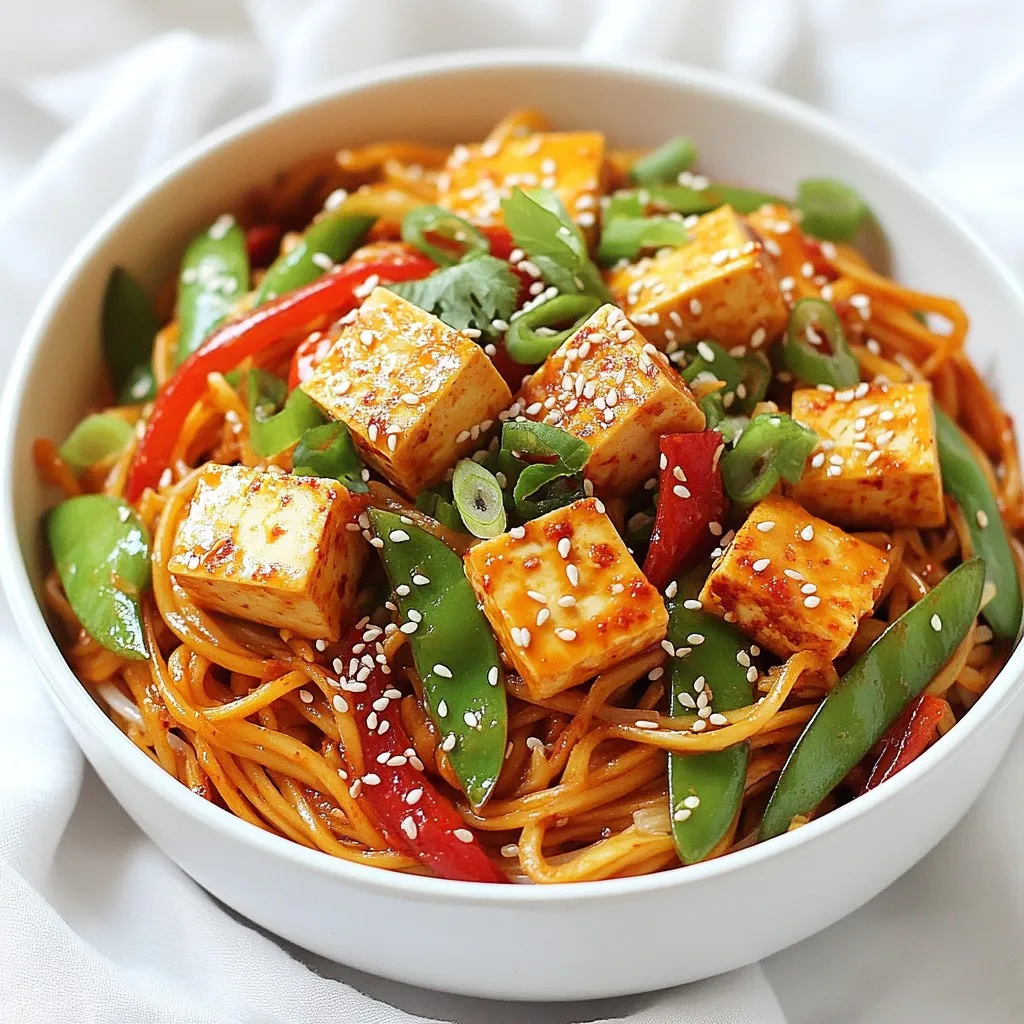
If you crave bold flavors that pack a punch, you’re in the right place! My Spicy Gochujang Noodles recipe is both tasty and easy to whip up. With simple ingredients like rice noodles, firm tofu, and fresh veggies, anyone can make this dish in no time. Join me as we explore its health benefits, cooking tips, and mouthwatering variations. Get ready for a spicy adventure that’ll delight your taste buds!
Why I Love This Recipe
- Bold Flavors: This dish combines the rich, spicy flavor of gochujang with sweet honey or maple syrup, creating a delightful balance that excites the palate.
- Quick and Easy: With a total prep and cooking time of just 25 minutes, this recipe is perfect for busy weeknights when you need a delicious meal in a hurry.
- Customizable: You can easily adjust the spice levels or add your favorite vegetables, making this dish versatile and suitable for everyone.
- Healthy and Satisfying: Packed with protein from tofu and fiber from fresh veggies, this noodle delight is both nourishing and filling.
Ingredients
List of Main Ingredients
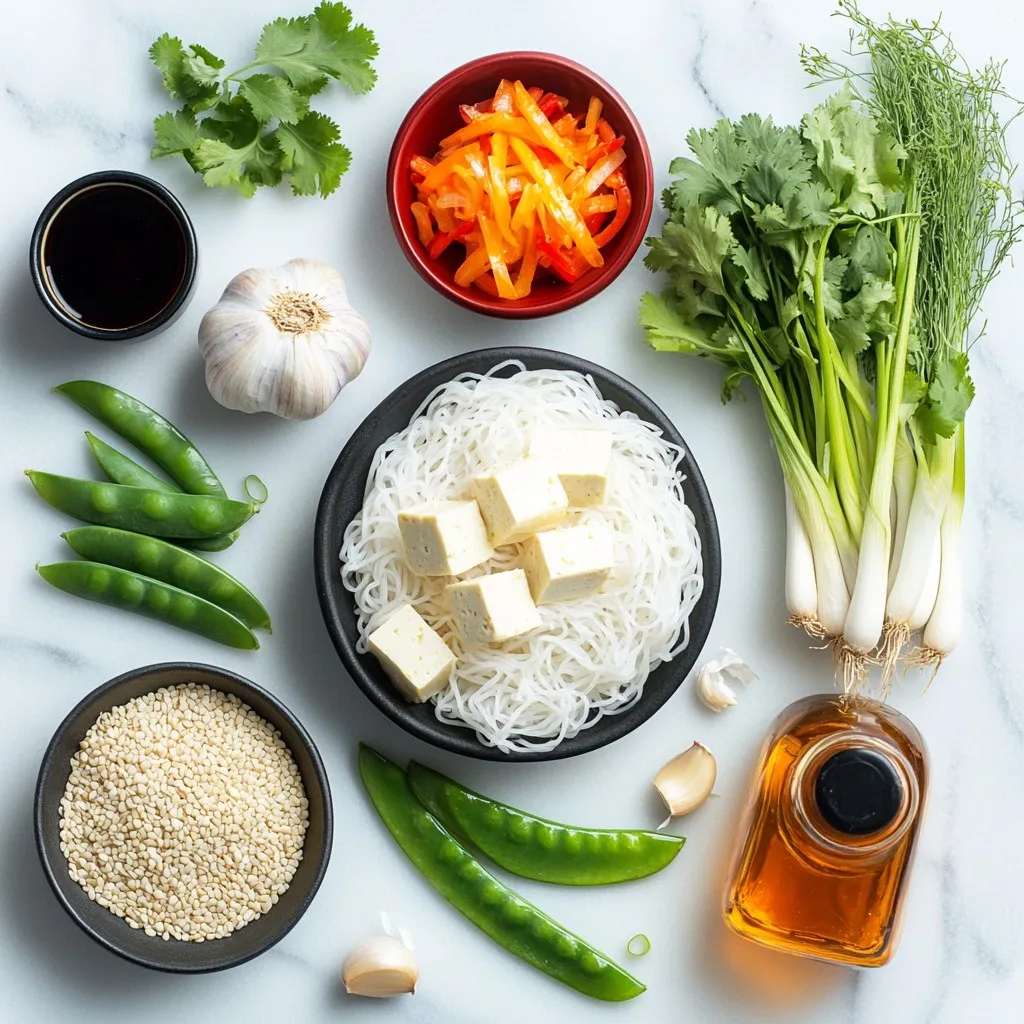
– 200g rice noodles
– 2 tablespoons gochujang (Korean red chili paste)
– 200g firm tofu
– Fresh vegetables (red bell pepper, snap peas)
Optional Garnishes
– Toasted sesame seeds
– Fresh cilantro
– Green onions
Health Benefits of Ingredients
Nutritional benefits of gochujang
Gochujang is packed with flavor and nutrients. It has vitamins A and C. This chili paste can boost your metabolism and add excitement to your meals.
Advantages of using tofu
Tofu is a great source of protein. It is low in fat and cholesterol-free. This makes tofu a healthy choice for meals. It also absorbs flavors well, making it a great match for gochujang.
Benefits of fresh vegetables
Fresh vegetables like bell peppers and snap peas add color and crunch. They are full of vitamins, minerals, and fiber. Eating more veggies helps keep you healthy and full.
This dish not only tastes great but also supports your health. Enjoy these ingredients as part of your cooking journey!
Step-by-Step Instructions
Cooking the Noodles
To start, boil a large pot of water. Once the water is bubbling, add the rice noodles. Cook them according to the package instructions. I usually check after 4-5 minutes. You want them al dente, which means they should be firm but cooked. When done, drain the noodles in a colander and let them cool for a bit.
Preparing the Sauce
Now, grab a medium bowl. In it, mix together these ingredients:
– 2 tablespoons gochujang
– 1 tablespoon sesame oil
– 1 tablespoon soy sauce
– 1 tablespoon honey or maple syrup
– 1 clove garlic, minced
– 1 teaspoon fresh ginger, grated
Whisk until smooth. Taste the sauce. If you like more heat, add extra gochujang. This sauce is key to the dish’s flavor.
Cooking the Tofu and Vegetables
Heat a splash of oil in a non-stick skillet over medium-high heat. Add the cubed tofu to the hot pan. Sauté it gently. Cook until it gets a golden-brown crust. This will take around 5-7 minutes. Once done, move the tofu to a plate.
In the same skillet, toss in the sliced red bell pepper and snap peas. Stir-fry them for about 3-4 minutes. You want them vibrant and tender, but still crisp. Timing is key here! After that, return the tofu to the skillet, add the sauce, and the noodles. Toss everything together with tongs. Make sure the noodles are well-coated with the sauce.
Tips & Tricks
Perfecting the Dish
To get the best flavor from your gochujang noodles, focus on the sauce. Mix gochujang, sesame oil, soy sauce, honey, garlic, and ginger well. Taste it! Add more gochujang if you like heat. For milder noodles, use less gochujang and add more honey. This gives sweetness without too much spice.
Equipment Recommendations
Use a non-stick skillet or a wok for cooking. They help prevent sticking and make cooking easier. A good spatula is key for mixing everything without breaking the tofu. A colander is also helpful for draining noodles after cooking.
Serving Suggestions
Serve your spicy gochujang noodles in deep bowls. This keeps the sauce contained. Top each bowl with green onions, sesame seeds, and cilantro for color. Pair with pickled vegetables for a crunchy side. You can also serve with a squeeze of lime to add freshness.
Pro Tips
- Adjust the Spice Level: If you prefer a milder dish, start with less gochujang and gradually add more to taste as you mix the sauce.
- Use Fresh Ingredients: Fresh vegetables not only enhance the flavor but also add more nutrients. Feel free to swap or add your favorites!
- Perfect Tofu Texture: For an extra crispy tofu, press the cubes between paper towels before cooking to remove excess moisture.
- Garnish for Flavor: Don’t skip the garnishes! Fresh cilantro and sesame seeds add a burst of flavor and make the dish visually appealing.
Variations
Vegetarian and Vegan Options
For a vegetarian dish, you can swap the tofu for chickpeas or tempeh. Both options add protein and a nice texture. If you want a vegan meal, tempeh is a great choice. It has a firmer bite and absorbs flavors well.
For vegetables, you can use zucchini, broccoli, or mushrooms instead of bell peppers and snap peas. These veggies work well with the sauce and add different flavors to the dish. Try using seasonal vegetables for freshness and variety.
Gluten-Free Modifications
If you need a gluten-free option, consider using rice noodles made from brown rice or even zucchini noodles. These will keep the dish light and tasty.
When adjusting sauces, use tamari instead of soy sauce. It gives the same salty flavor without gluten. Always check the labels to ensure your products are gluten-free.
Flavor Additions
For extra flavor, add a teaspoon of sesame seeds or a splash of lime juice. Both will boost the taste and add a nice twist. You can also try mixing in some sriracha for more heat.
To explore different cuisines, mix gochujang with peanut sauce for a Thai-inspired dish. You can also add curry powder for a unique fusion with Indian flavors. Be creative and let your taste guide you!
Storage Info
Storing Leftovers
To store your spicy gochujang noodles, let them cool down first. Place them in an airtight container. This keeps them fresh. You can store them in the fridge for up to three days. If you want to keep them longer, try freezing. Use containers that seal well to avoid freezer burn.
Reheating Tips
When reheating, you want to keep the flavors strong. A good method is to use a pan on low heat. Add a splash of water or broth to help rehydrate the noodles. Stir them gently as they heat up. This keeps the noodles from getting soggy. You can also microwave them. Just cover with a damp paper towel to trap steam.
Freezing Options
Yes, you can freeze gochujang noodles! To freeze, make sure they are completely cool. Divide them into portions and place them in freezer bags. Squeeze out any air before sealing. For defrosting, take them out the night before and put them in the fridge. Reheat as mentioned above for the best taste.
FAQs
What is gochujang?
Gochujang is a thick, red chili paste from Korea. It blends red chili, glutinous rice, fermented soybeans, and salt. The paste adds a deep, spicy, and slightly sweet flavor to dishes. I often use it in marinades, stews, and sauces. It brings a unique kick to my spicy gochujang noodles.
Where can I buy gochujang?
You can find gochujang in many grocery stores. Look in the international aisle or Asian food section. Local Asian markets often carry it too. I recommend brands like Chung Jung One or Sunchang for quality. Online retailers like Amazon also offer a variety of options.
Can I use other pastes instead of gochujang?
Yes, you can use other pastes, but the flavor will change. Sriracha adds heat but lacks the sweetness. Harissa offers a different spice profile with a hint of smokiness. Chili garlic paste can also work, but it is spicier. Each choice will give your dish a unique twist.
How can I make the dish less spicy?
To reduce spice, cut back on gochujang. Start with one tablespoon instead of two. You can also add more honey or maple syrup to balance the heat. Including creamy ingredients like coconut milk can help too. Pair it with more vegetables or noodles to dilute the spice.
We covered how to make gochujang noodles from scratch. You learned about key ingredients like rice noodles, gochujang, tofu, and fresh veggies. We also shared cooking tips and storage ideas. Remember, feel free to customize this dish with different proteins or veggies. Experiment with spices to find your perfect flavor balance. Enjoy creating a delicious meal that’s also healthy and satisfying. You have all the tools to make this recipe a succes