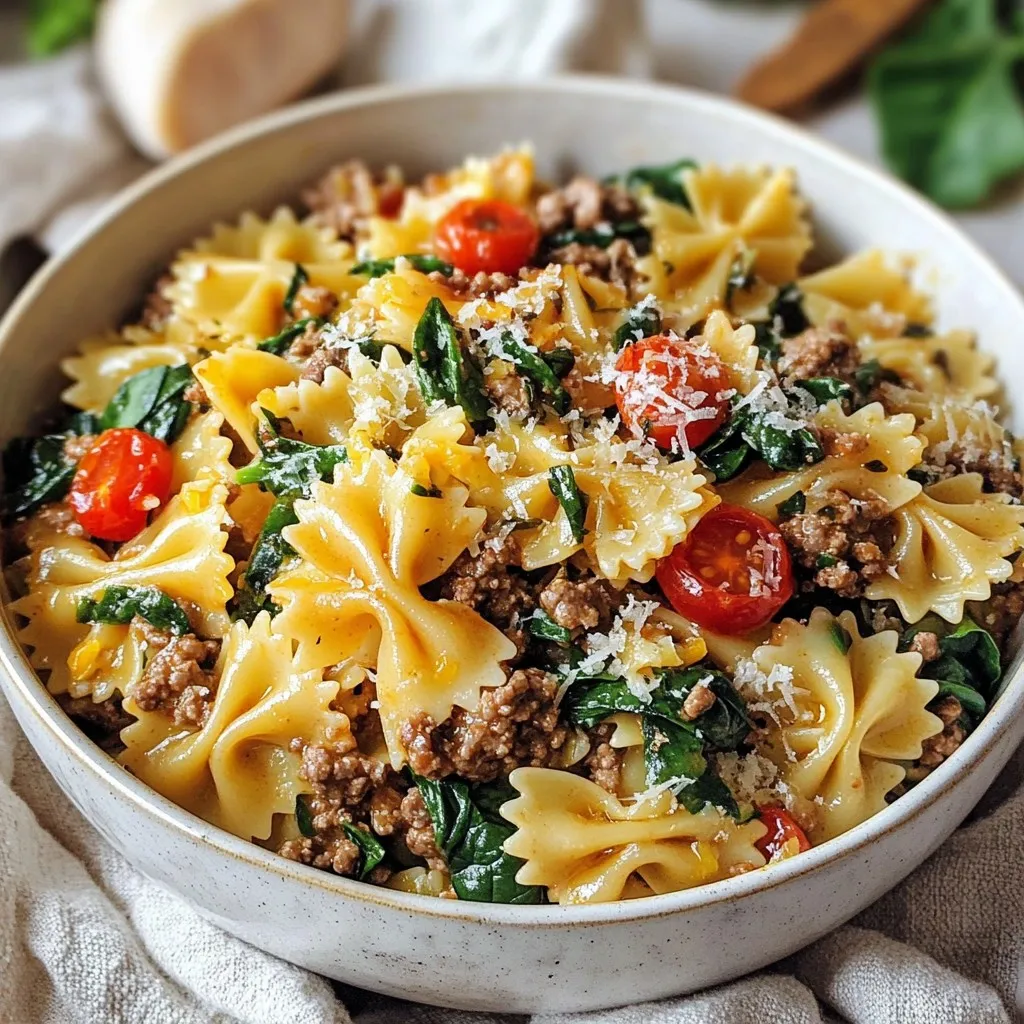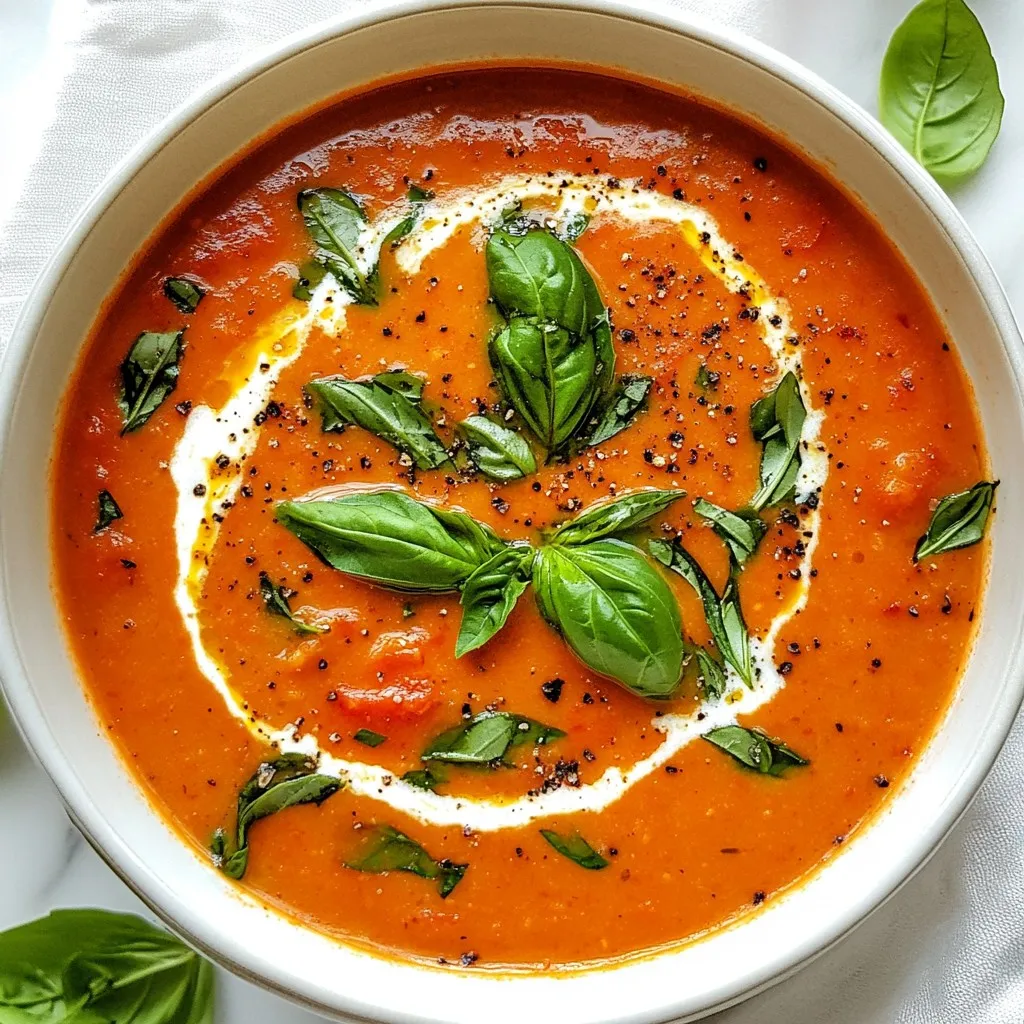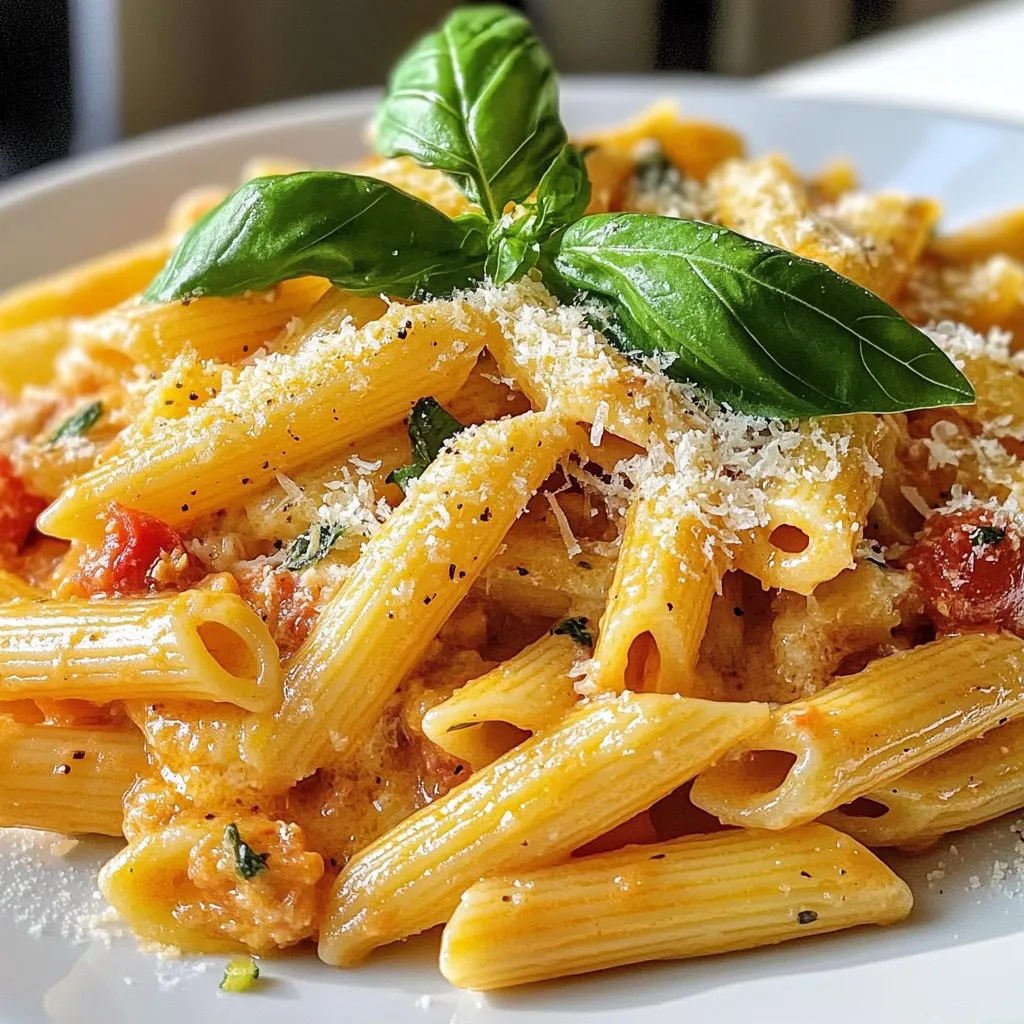
Craving a rich and savory pasta dish? Let’s make Creamy Tomato Garlic Pasta! This simple recipe combines tender pasta with a luscious sauce made from garlic, crushed tomatoes, and creamy goodness. It’s perfect for busy weeknights or impressing guests. Follow my easy steps to create a dish that’s not only tasty but also fun to make. Grab your ingredients, and let’s get cooking!
Why I Love This Recipe
- Quick and Easy: This recipe takes just 25 minutes from start to finish, making it perfect for busy weeknights or unexpected guests.
- Creamy and Flavorful: The combination of crushed tomatoes and heavy cream creates a luscious sauce that is both rich and satisfying.
- Customizable: You can easily switch up the pasta type or add veggies like spinach or mushrooms to make it your own.
- Perfect for All Diets: With the option to use coconut cream, this dish can cater to both dairy lovers and those seeking a dairy-free alternative.
Ingredients
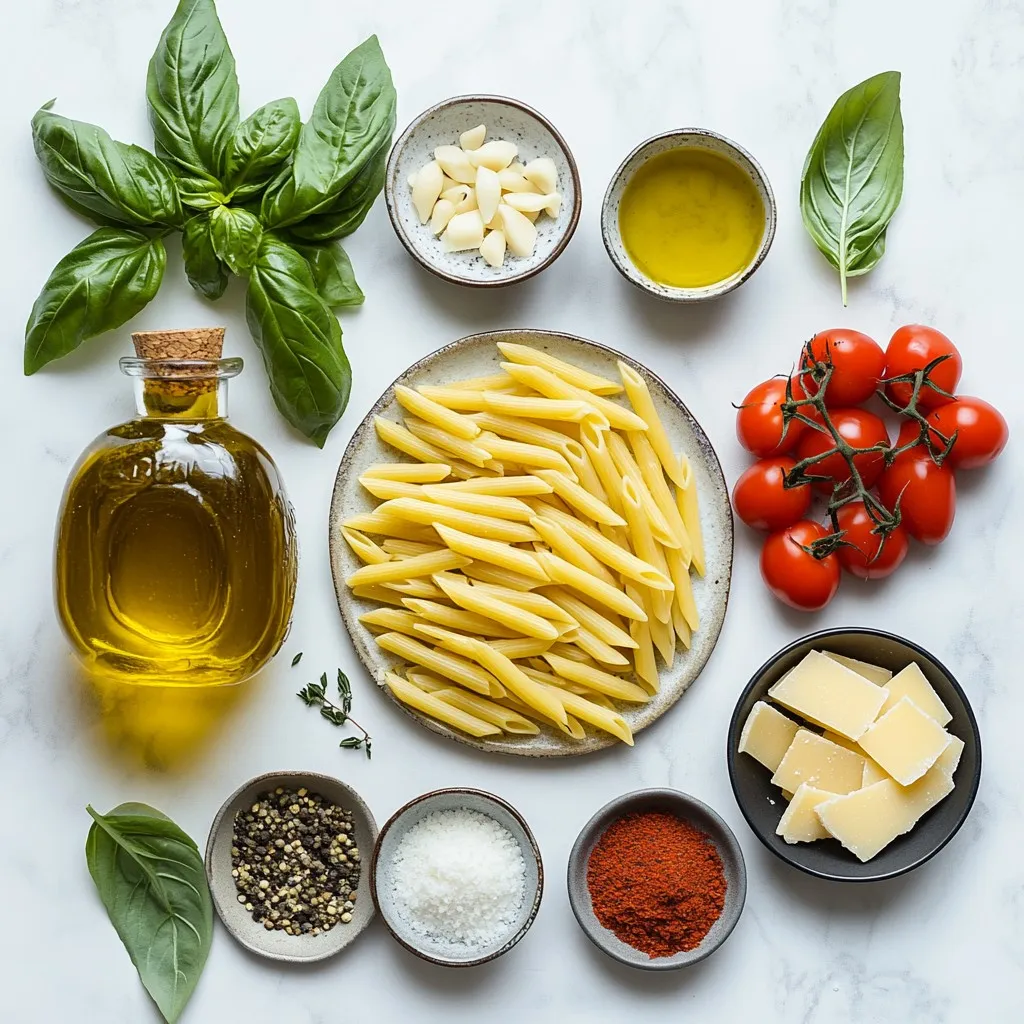
Detailed List of Ingredients
– Pasta options: You can choose any pasta you like. I often use:
– 300g penne
– 300g fettuccine
– Any other preferred shape
– Other essential ingredients: These are key for flavor and base:
– 2 tablespoons extra-virgin olive oil
– 4 cloves garlic, finely minced
– 1 can (400g) crushed tomatoes (I love San Marzano for sweetness)
– Dairy and garnishing options: These add creaminess and finish:
– 1 cup heavy cream or coconut cream (for dairy-free)
– 1 teaspoon dried basil (or fresh if you have it)
– 1 teaspoon dried oregano
– Salt and freshly cracked pepper to taste
– Fresh basil leaves, torn for garnish
– Grated Parmesan cheese (optional for extra flavor)
These ingredients create a rich and tasty dish that is also simple to make. Each one plays a role in building the creamy tomato garlic flavor.
Step-by-Step Instructions
Cooking the Pasta
To start, bring a large pot of salted water to a strong boil. Salt is key; it helps flavor the pasta. Add your pasta and cook it according to the package instructions, usually around 8-10 minutes. You want it al dente, which means it should be firm to the bite. Before you drain the pasta, save 1 cup of the water. This water is liquid gold for your sauce!
Sautéing the Garlic
Next, heat 2 tablespoons of extra-virgin olive oil in a large skillet over medium heat. Once the oil is hot, add the minced garlic. Sauté it for 1-2 minutes. You want it fragrant and slightly golden. Be careful not to burn the garlic. Burnt garlic tastes bitter, and we don’t want that!
Creating the Tomato Sauce
Now, pour in the crushed tomatoes. I recommend using San Marzano tomatoes for their sweet flavor. Stir in the dried basil, oregano, salt, and some freshly cracked pepper. Let this simmer for about 5-7 minutes. This step is important. It allows all the flavors to meld together beautifully.
Making the Sauce Creamy
Lower the heat and stir in 1 cup of heavy cream or coconut cream if you prefer a dairy-free option. Mix well until the sauce turns creamy and luscious. If the sauce seems too thick, gradually add some reserved pasta water. This will help you achieve the right consistency.
Mixing Pasta with Sauce
Add the drained pasta to your skillet with the creamy sauce. Toss everything well to coat the pasta evenly. This is where the magic happens! Allow the flavors to meld together for a minute or two. It’s all about getting that perfect mix.
Plating and Serving
For plating, use a generous amount of pasta. It should be a beautiful sight! Finish with torn fresh basil leaves for a pop of color and flavor. If you like, sprinkle some grated Parmesan cheese on top. Serve it hot and enjoy every creamy bite!
Tips & Tricks
Cooking Tips for Perfect Pasta
Salting water is key. It adds flavor to the pasta. Use about 1-2 tablespoons of salt for a large pot. Bring the water to a rolling boil before adding your pasta. This helps it cook evenly. Cook the pasta until al dente. This means it will be firm but not hard. If overcooked, it can become mushy.
To keep pasta from sticking, stir it often in the first few minutes. Also, avoid rinsing it after draining. Rinsing removes the starch that helps sauce cling to the pasta.
Enhancing Flavor in the Sauce
Fresh herbs can make your sauce shine. I prefer fresh basil when I can get it. If not, dried herbs like basil and oregano work well too. They add great flavor, but fresh herbs have a brighter taste.
For added depth, consider a pinch of red pepper flakes or a dash of balsamic vinegar. These can lift the sauce and add a nice kick. Taste as you go, and adjust the seasonings to your liking.
The Best Pasta Shapes to Use
Pasta shapes can change how your dish feels. Penne is great for holding sauce, while fettuccine is perfect for a creamy texture. Short pasta like fusilli or bow ties can also work well. Choose a shape that you enjoy and that pairs nicely with the sauce. Thin pasta like spaghetti may slide off the sauce more easily.
Pick a shape that fits how you want your dish to taste and look. Enjoy experimenting with different options!
Pro Tips
- Use High-Quality Tomatoes: Opting for San Marzano tomatoes can elevate the sweetness and flavor of your sauce, making it taste authentic and delicious.
- Don’t Skip Pasta Water: The reserved pasta water contains starch that can help thicken your sauce and make it cling better to the pasta. Add it gradually until you reach your desired consistency.
- Fresh Herbs vs. Dried Herbs: If using fresh basil, add it at the end of cooking to preserve its vibrant flavor and color. Dried herbs can be added earlier to allow their flavors to infuse the sauce.
- Adjust Creaminess to Taste: Depending on your preference, you can adjust the amount of cream or coconut cream used to achieve the level of creaminess you desire in your pasta dish.
Variations
Vegetarian and Vegan Options
For a vegetarian or vegan twist, you can swap heavy cream with coconut cream. This gives you that rich texture without dairy. If you want cheese, try nutritional yeast instead of Parmesan. It adds a cheesy flavor while keeping it plant-based.
You can also add more vegetables. Spinach, zucchini, or bell peppers work great here. Just sauté them with garlic before adding the tomatoes. This step adds color and nutrition.
Protein Additions
If you want to make this dish heartier, consider adding protein. Grilled chicken pairs well with the creamy sauce. Cut it into strips and mix it in after the pasta. Shrimp is another tasty option. Sauté them in the garlic oil before adding the tomatoes.
For a savory kick, try sausage. Cook it first to brown it nicely. Then, slice and stir it into the creamy mix. This will add depth and flavor to every bite.
Gluten-Free Alternatives
For gluten-free options, look for pasta brands made from rice, quinoa, or chickpeas. These types hold up well in the sauce. Some popular brands include Banza and Tinkyada.
When cooking gluten-free pasta, keep an eye on the time. It often cooks quicker than regular pasta. Make sure to reserve that pasta water to help with the sauce, just like the regular recipe. This way, you keep the creamy texture you love.
Storage Info
Storing Leftovers
To store your creamy tomato garlic pasta, let it cool first. Place it in an airtight container. This helps keep it fresh and tasty. Store it in the fridge for up to three days. If you want to extend its shelf-life, freeze it. Use a freezer-safe container or bag. Label it with the date so you remember when you made it.
Reheating Instructions
When reheating, you want to keep the creaminess. The stovetop is the best option. Heat a pan over low heat and add a splash of water or cream. Stir often to warm it evenly. If you use a microwave, do it in short bursts. Stir in between to avoid hot spots. This keeps the pasta creamy and prevents it from drying out.
Freezing Options
Freezing is a great way to save this dish for later. Use a rigid container or heavy-duty freezer bag. Make sure to remove as much air as possible to prevent freezer burn. To thaw, move it to the fridge a day before you want to eat it. For reheating, use the stovetop or microwave method mentioned earlier. This ensures you enjoy the same rich flavors when you serve it again.
FAQs
How can I make creamy tomato garlic pasta healthier?
To make creamy tomato garlic pasta healthier, you can try a few simple swaps. Use whole wheat pasta instead of regular pasta. This adds fiber and nutrients. You can also reduce the heavy cream. Substitute it with Greek yogurt or a plant-based cream. These options cut down on calories and fat. Add more veggies, like spinach or zucchini, to boost nutrition. They blend well and add color.
Can I substitute crushed tomatoes with fresh tomatoes?
Yes, you can use fresh tomatoes instead of crushed ones. Start with about six medium ripe tomatoes. Blanch them in boiling water for a minute, then cool them in ice water. Peel the skins, chop them, and remove seeds. This method gives you a fresh taste. You might need to cook them a bit longer to break down into a sauce.
What to serve with creamy tomato garlic pasta?
Creamy tomato garlic pasta pairs well with several side dishes. A simple green salad with vinaigrette adds freshness. Garlic bread is another great choice, perfect for dipping. You could also serve it with roasted veggies. They add a nice crunch and balance the meal. For a heartier option, grilled chicken or shrimp can complement the pasta.
How can I achieve the right consistency for the sauce?
To get the right sauce consistency, start with the heavy cream. Stir it in slowly over low heat. If the sauce is too thick, add reserved pasta water gradually. This helps you reach the perfect creaminess. Always mix well after each addition. If it’s too thin, let it simmer for a few minutes to thicken.
Is this recipe suitable for meal prep?
Yes, this recipe is great for meal prep! You can make a big batch and store it. Let the pasta cool before putting it in an airtight container. It can last in the fridge for up to three days. To reheat, warm it in a pan. Add a splash of water or more cream to keep it creamy. This way, you enjoy delicious pasta all week!
This blog post covered how to make creamy tomato garlic pasta from start to finish. You learned about the best pasta types, essential ingredients, and cooking tips. We also discussed variations for different diets and how to store leftovers.
Cooking pasta is fun and rewarding. With these steps, you can create a delicious meal. Try adding your favorite ingredients to customize the dish. Enjoy the cooking process, and share your creations with other