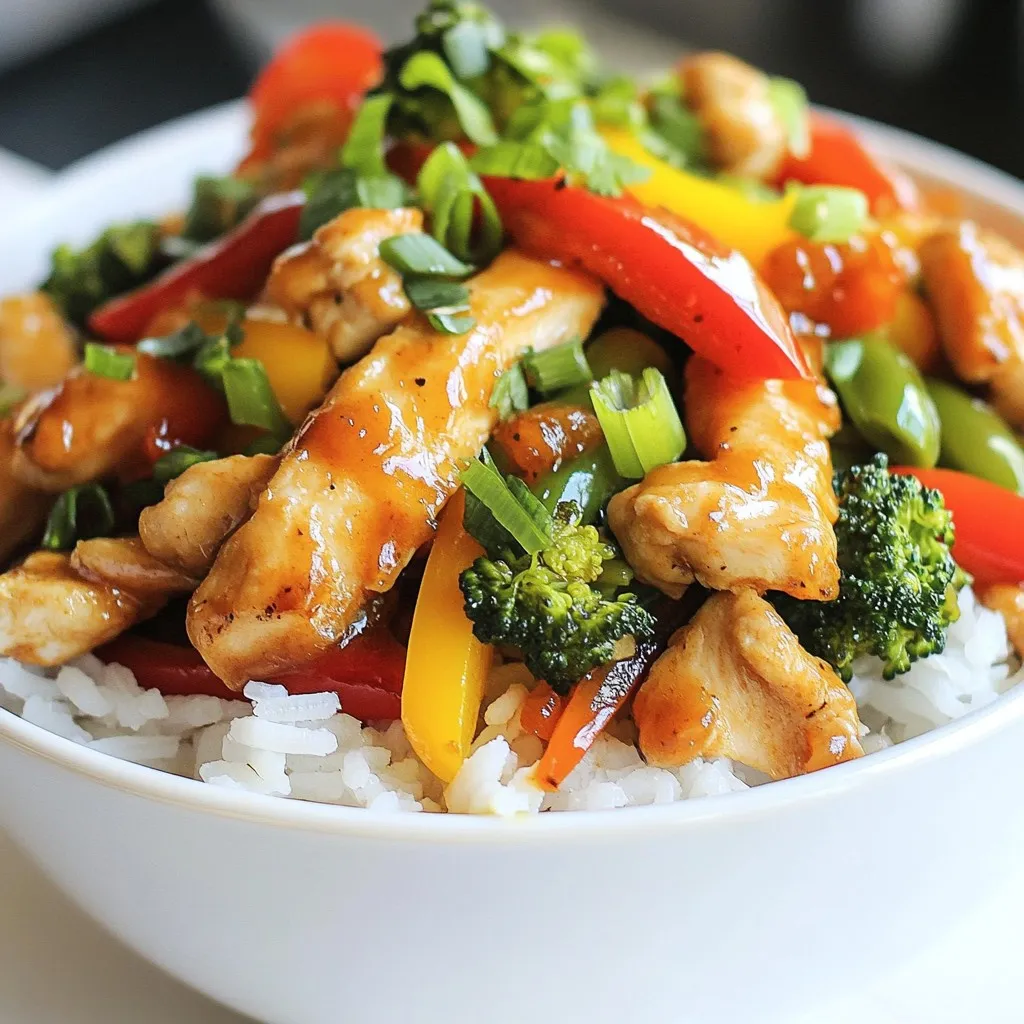
Are you tired of greasy takeout? Let’s whip up a Better-Than-Takeout Chicken Stir Fry that’s quick and tasty! In just a few simple steps, I’ll show you how to create a meal bursting with flavor and fresh ingredients. Say goodbye to bland takeout and hello to a vibrant dish that rivals your favorite Chinese restaurant. Ready to transform your dinner? Let’s get cooking!
Why I Love This Recipe
- Quick and Easy: This recipe comes together in just 30 minutes, making it perfect for busy weeknights when you crave a homemade meal without the fuss.
- Healthy Ingredients: Packed with fresh vegetables and lean chicken, this stir fry is a nutritious choice that doesn’t compromise on flavor.
- Customizable: You can easily swap in your favorite vegetables or proteins, making this a versatile dish that suits everyone’s taste preferences.
- Better Than Takeout: With its vibrant flavors and crispy texture, this homemade stir fry rivals any takeout option, giving you that satisfying restaurant experience right at home.
Ingredients
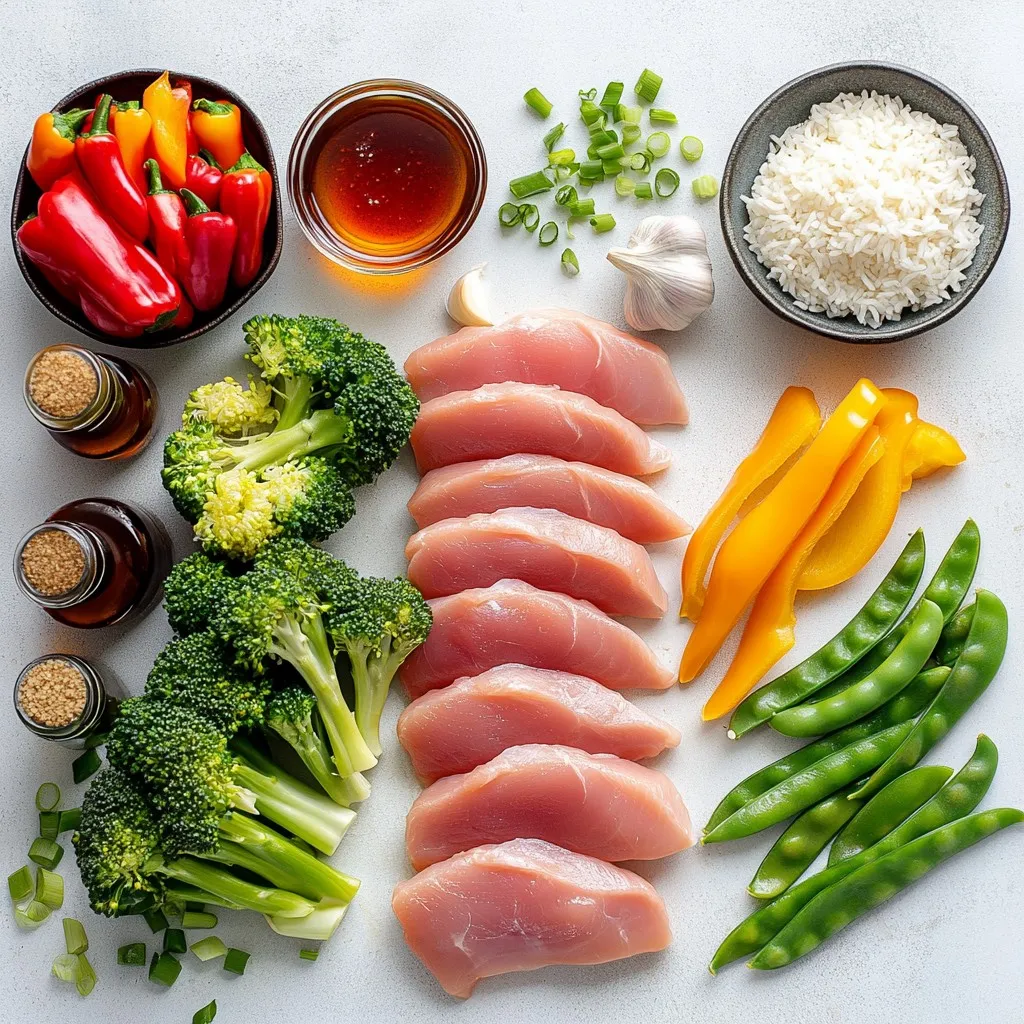
List of Ingredients
– Chicken and Vegetable Components
– 1 lb chicken breast, thinly sliced into strips
– 1 red bell pepper, sliced into strips
– 1 yellow bell pepper, sliced into strips
– 1 cup broccoli florets
– 1 cup snap peas, trimmed
– 3 green onions, chopped, white and green parts separated
– Sauce Ingredients
– 3 tablespoons low-sodium soy sauce
– 1 tablespoon rice vinegar
– 1 tablespoon sesame oil
– 1 teaspoon honey
– Cooking Essentials
– 2 tablespoons cornstarch
– 2 tablespoons vegetable oil (split)
– 4 cloves garlic, finely minced
– 1 tablespoon fresh ginger, grated
– Salt and pepper to taste
– Cooked jasmine rice or brown rice, for serving
This mix of ingredients creates a flavorful, colorful dish. The chicken provides protein, while the veggies add crunch and nutrients. The sauce blends sweet, salty, and tangy notes, making each bite a delight. The cornstarch helps create a crispy chicken that feels like takeout but is fresh and homemade.
Step-by-Step Instructions
Preparation of Chicken
Coating with Cornstarch
First, take 1 pound of thinly sliced chicken breast. Place it in a bowl. Sprinkle 2 tablespoons of cornstarch over the chicken. Mix it well to coat all the pieces. This step makes the chicken crispy later.
Cooking the Chicken
Heat 1 tablespoon of vegetable oil in a large skillet or wok over medium-high heat. When the oil is hot, add the chicken in a single layer. Do not overcrowd. Cook for about 5 to 7 minutes. Turn the chicken occasionally until it turns golden brown. Once done, transfer the chicken to a plate and set it aside.
Cooking the Vegetables
Sautéing Garlic and Ginger
In the same skillet, add another tablespoon of vegetable oil. Then, add 4 cloves of minced garlic and 1 tablespoon of grated fresh ginger. Stir-fry for about 30 seconds. You want to release the nice aroma of garlic and ginger.
Adding Vegetables
Next, add the sliced red and yellow bell peppers, 1 cup of broccoli florets, and 1 cup of trimmed snap peas. Stir-fry these vibrant veggies for about 3 to 5 minutes. You want them tender but still crisp. This keeps their bright colors.
Combining Ingredients
Mixing Chicken with Vegetables
Now, return the cooked chicken to the skillet. Stir it well with the vegetables.
Incorporating Sauce Components
Pour in 3 tablespoons of low-sodium soy sauce, 1 tablespoon of rice vinegar, 1 tablespoon of sesame oil, and 1 teaspoon of honey. Mix everything well. Cook for another 1 to 2 minutes. This helps the flavors blend nicely.
Final Adjustments
Season the stir fry with salt and pepper to taste. Taste it and adjust as needed for a balanced flavor.
Serve the stir fry over jasmine or brown rice. Enjoy your meal!
Tips & Tricks
Achieving the Perfect Texture
– Importance of Cornstarch
Cornstarch is key for crispy chicken. It makes a nice crust when you cook it. Coat each chicken piece well. This step helps lock in moisture and gives a great bite.
– Sautéing Techniques
When sautéing, use high heat for best results. This helps the chicken brown nicely. Don’t overcrowd the pan. Cook in batches if needed. This keeps the chicken from steaming instead of frying.
Flavor Enhancements
– Using Fresh Ingredients
Always use fresh veggies and herbs. Fresh ingredients bring bright flavors. They add color too. Bell peppers, broccoli, and snap peas are great choices. They make the dish vibrant and tasty.
– Adjusting Seasonings
Taste your stir fry as you cook. Add more soy sauce for saltiness. A touch of honey adds sweetness. Adjust salt and pepper to your liking. This balance makes your meal shine.
Presentation Ideas
– Serving Suggestions
Serve the stir fry over fluffy jasmine or brown rice. This gives a nice base for the dish. You can use a large bowl for family-style meals or individual plates for guests.
– Garnishing Techniques
Garnish with chopped green onions for color. Toasted sesame seeds add crunch. A few cilantro leaves give a fresh touch. Good presentation makes your meal look as great as it tastes!
Pro Tips
- Coat for Crispiness: Ensure that the chicken is thoroughly coated with cornstarch before cooking to achieve a delightful crispy texture.
- High Heat is Key: Always cook on medium-high heat to sear the chicken properly and to keep the vegetables vibrant and tender-crisp.
- Fresh Ingredients Matter: Use fresh vegetables and aromatics like garlic and ginger for the best flavor in your stir fry.
- Customize Your Veggies: Feel free to swap in your favorite vegetables or whatever you have on hand for a personalized touch to your stir fry.
Variations
Protein Alternatives
You can easily change the protein in this dish.
– Tofu for a Vegetarian Option: Tofu works great in this stir fry. Use firm tofu for the best texture. Cut it into strips and coat it in cornstarch like the chicken. Cook it until it’s golden brown. This adds a nice crunch. Tofu absorbs flavors well. So, it will soak up the sauce nicely.
– Beef or Shrimp Substitutes: If you want a meatier dish, use beef or shrimp. For beef, thinly slice flank steak against the grain. For shrimp, use peeled and deveined ones. Cook them just like the chicken. Adjust the cooking time, as shrimp cooks faster. This gives you tasty options.
Vegetable Swaps
You can mix and match vegetables to fit your taste.
– Seasonal Vegetable Choices: Take advantage of seasonal veggies. In spring, try asparagus or snap peas. In summer, use zucchini or bell peppers. Fall brings great options like butternut squash. Winter is perfect for hearty greens like kale. Each season adds new flavors.
– Adding Other Greens: Greens like spinach or bok choy can add color and nutrition. Toss them in at the end. This keeps them bright and fresh. They wilt quickly, so just a minute in the skillet is enough.
Sauce Modifications
You can make the sauce your own with a few tweaks.
– Adding Spices or Heat: Want some heat? Add crushed red pepper flakes or a splash of sriracha. This gives your stir fry a kick. Experiment with spices like five-spice powder for a unique taste.
– Low-Sodium or Gluten-Free Options: For a healthier twist, use low-sodium soy sauce. This keeps the flavor without too much salt. If you need a gluten-free option, swap soy sauce with tamari. It tastes great and works well with all the ingredients.
Storage Info
Refrigeration Tips
– How to Store Leftovers: Allow the chicken stir fry to cool down before storing. Place it in an airtight container. Make sure it is sealed tightly to keep out air. This method helps preserve freshness and flavor.
– Best Containers for Storage: Use glass or BPA-free plastic containers. These containers are durable and safe for food. Choose ones that are microwave-safe for easy reheating.
Reheating Instructions
– Methods for Reheating: You can reheat the stir fry in a microwave or on the stove. If using a microwave, place it in a bowl and cover it. Heat in short bursts, stirring often. For the stove, use a skillet over medium heat. Add a splash of water or oil to help steam the dish.
– Maintaining Texture and Flavor: Stir the mix while reheating. This helps keep the chicken and veggies from getting too dry. Avoid high heat, as it can make everything tough. Enjoy your leftovers just as much as the first serving!
FAQs
How long does the stir fry last in the fridge?
The stir fry lasts about 3 to 4 days in the fridge. Store it in an airtight container. This keeps it fresh and tasty. When you want to eat it, just reheat and enjoy.
Can I freeze the chicken stir fry?
Yes, you can freeze it! Place the cooled stir fry in a freezer-safe bag. Squeeze out the air to prevent freezer burn. It will stay good for about 2 to 3 months. When you’re ready, thaw it overnight in the fridge before reheating.
What type of rice is best for this stir fry?
I recommend using jasmine rice for its light and fluffy texture. Brown rice is also a healthy choice. Both pair well with the stir fry and soak up the sauce nicely.
How do I make this recipe spicier?
To add heat, include crushed red pepper flakes or sliced jalapeños. You can also use a spicy sauce, like Sriracha or chili garlic sauce. Adjust the spice level to suit your taste!
You learned about key ingredients for a tasty stir fry, like chicken, veggies, and sauce. I showed you step-by-step how to cook it right, from prepping chicken to mixing it with fresh vegetables. Tips on texture and flavor help improve your dish. You saw options for protein and vegetable swaps to keep it exciting. Lastly, I shared storage tips for leftovers.
Now, you’re ready to create a delicious stir fry. Enjoy making your meals and experimenting with flavor