Go Back
To make Thai Coconut Curry Noodles, you will need these fresh and simple ingredients: - 200g rice noodles - 1 can (400ml) coconut milk - 2 tablespoons red curry paste - 1 tablespoon vegetable oil - 1 medium onion, thinly sliced - 3 cloves garlic, minced - 1 tablespoon fresh ginger, grated - 1 bell pepper, julienned - 1 carrot, julienned - 150g snap peas, trimmed - 2 tablespoons soy sauce - 1 tablespoon fresh lime juice - Fresh cilantro leaves for garnish - Lime wedges for serving - Salt and freshly cracked pepper to taste Each ingredient plays a key role in building the dish's rich flavors. The rice noodles provide a soft base. Coconut milk gives a creamy texture. Red curry paste adds heat and depth. Fresh veggies like bell peppers and snap peas bring color and crunch. Make sure to prepare everything before you start cooking. This way, you manage your time well and keep the process easy. Enjoy the journey of making this tasty dish! {{ingredient_image_2}} 1. Bringing water to a boil: Start by putting a large pot of water on your stove. Turn the heat to high and wait for it to boil. This step is crucial for cooking your noodles just right. 2. Cooking noodles to al dente: When the water is boiling, add the rice noodles. Cook them according to the package instructions. You want them tender but still firm, which is called al dente. 3. Draining and tossing with oil: Once the noodles are cooked, drain them in a colander. Toss them in a little oil to keep them from sticking together. Set them aside while you prepare the sauce. 1. Heating oil in pan: In a large skillet or wok, add vegetable oil and heat it over medium heat. This oil will help flavor your dish. 2. Cooking onion until translucent: Add the thinly sliced onion to the pan. Stir it for 3-4 minutes until it turns soft and clear. This step builds a great base for your flavors. 1. Incorporating garlic and ginger: Now, add the minced garlic and grated ginger to the pan. Cook them for 1-2 minutes. Stir often so they don't burn. Their smell will fill your kitchen! 2. Mixing in curry paste: Next, stir in the red curry paste. Mix it well with the onions, garlic, and ginger. Let it cook for about a minute. This helps the spices get nice and fragrant. 3. Adding julienned vegetables: Toss in the julienned bell pepper, carrot, and snap peas. Stir-fry everything for 2-3 minutes. You want the veggies to stay bright and slightly crisp. 4. Mixing in coconut milk and simmering: Pour the coconut milk into the skillet. Stir it all together and bring it to a gentle simmer. Let it cook for about 5 minutes. This lets all the flavors blend beautifully. 1. Combining noodles with sauce: Carefully add the cooked noodles to the skillet. Then, pour in the soy sauce and fresh lime juice. Gently stir until the noodles are coated in that tasty curry sauce. 2. Adjusting seasoning: Taste your dish and add salt and freshly cracked pepper. Adjust to your liking for the perfect balance of flavors. 3. Serving and garnishing: Remove the pan from heat. Dish out the noodles into bowls. Garnish with fresh cilantro leaves and serve with lime wedges. The lime adds a refreshing zing that makes this dish shine! To get the best texture for your noodles, cook them until they are just tender. This is called al dente. Follow the package instructions for timing. Keep an eye on them, as they can cook quickly. Once done, drain them right away. Toss the noodles with a little oil to keep them from sticking. When using coconut milk, shake the can well before opening. This helps mix the cream and liquid. Pour it into your pan gently to avoid splattering. Stir it in slowly for a smooth blend with your spices and vegetables. Adding the right spices can really boost the flavor of your dish. Besides red curry paste, you can add a bit of cumin or coriander for extra warmth. A dash of turmeric can add a nice color and flavor too. For vegetables, choose ones that add crunch and color. Bell peppers and snap peas work great. You can also try zucchini or broccoli for more variety. They hold up well in the curry and add nutrients. To make your dish look appealing, serve the noodles in deep bowls. Twisting the noodles into a nest shape adds height. Top them with colorful veggies for a vibrant look. Garnishing is key for appeal. Use fresh cilantro leaves for a pop of green. Add lime wedges on the side. A squeeze of lime right before eating brightens all the flavors. Enjoy your beautiful and tasty creation! Pro Tips Perfect Noodle Texture: Ensure the rice noodles are cooked al dente; they will continue to cook slightly when combined with the hot curry sauce. Custom Spice Level: Adjust the amount of red curry paste based on your spice preference; start with less and add more if you like it spicier. Vegetable Variations: Feel free to swap in your favorite vegetables like zucchini or broccoli for a unique twist on the dish. Garnish for Freshness: Always use fresh cilantro and lime wedges for garnish to enhance the flavor and presentation of your dish. {{image_4}} You can switch up your vegetables in Thai Coconut Curry Noodles easily. Here are some ideas: - Broccoli florets - Zucchini slices - Baby corn - Spinach or kale These swaps keep the dish fresh and colorful. You can also try different noodles. Instead of rice noodles, you can use: - Udon noodles for a chewy texture - Soba noodles for a nutty flavor Experimenting with these options adds fun to your cooking. If you want to make this dish vegan, just replace the soy sauce with tamari. This keeps the flavor rich without animal products. To make it gluten-free, choose gluten-free noodles and check the soy sauce label. Also, you can use coconut aminos instead of soy sauce. This will give you a sweet and savory taste. Thai cuisine varies by region. In the north, you'll find a milder curry. They might use different herbs like mint or lemongrass. In the south, the dishes are spicier. They often add shrimp or fish sauce for a deeper flavor. You can also see influences from neighboring countries. For example, Malaysia has similar curries but might include more coconut or turmeric. These variations make the dish exciting and show the rich history of Thai cooking. For storing leftovers, use airtight containers. Glass or plastic containers work well. This dish lasts up to three days in the fridge. Make sure it cools down before sealing it up. The best way to reheat is on the stove. Use low heat and add a splash of water. This keeps the noodles moist. Avoid the microwave, as it can make the noodles soggy. Stir often to heat evenly. Yes, you can freeze this dish! To freeze effectively, let it cool completely first. Then, place it in freezer-safe bags or containers. Remove as much air as possible to prevent freezer burn. It can last up to three months in the freezer. When ready to eat, thaw it in the fridge overnight and reheat on the stove. The best type of noodle for Thai curry is rice noodles. They soak up the curry flavors well. They also have a nice chewy texture. You can find them in various widths. Thin rice vermicelli works great too! Yes, you can make Thai Coconut Curry Noodles ahead of time. Cook the noodles and sauce separately. Store them in airtight containers. When you're ready to eat, mix them together and heat. This keeps the noodles from getting mushy. To adjust the spice level, add less red curry paste. You can start with one tablespoon. Taste and add more if needed. For a milder option, use coconut milk with added creaminess. You can also add sugar to balance the heat. Yes, if you don’t have coconut milk, you can use almond milk. It won't have the same rich flavor, but it works. Another option is using cashew cream. Blend soaked cashews with water for a creamy texture. To thicken the curry sauce, you can add cornstarch. Mix one tablespoon of cornstarch with water. Stir this mixture into the sauce while it simmers. Another option is to let it cook longer, allowing it to reduce. You can serve Thai Coconut Curry Noodles with lime wedges. They add a nice zing! Fresh cilantro also makes a great garnish. Pairing it with a light salad or spring rolls is a delicious option too. This blog post covered the key ingredients for Thai Coconut Curry Noodles and the steps to make them. We explored tips to perfect texture and flavor, how to customize the dish, and storage methods. Remember, cooking is about creativity and joy. With these simple steps, you can create a dish that bursts with flavor. Enjoy experimenting with new ingredients and make this recipe your own. Dive into your kitchen and have fun making this hearty meal!

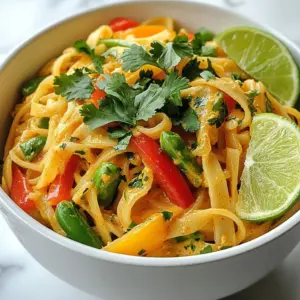
Thai Coconut Curry Noodles

A delicious and aromatic dish featuring rice noodles in a creamy coconut curry sauce with vibrant vegetables.
Course Main Course
Cuisine Thai
Servings 4
Calories 400 kcal

Ingredients
  

  • 200 g rice noodles
  • 1 can coconut milk (400ml)
  • 2 tablespoons red curry paste
  • 1 tablespoon vegetable oil
  • 1 medium onion, thinly sliced
  • 3 cloves garlic, minced
  • 1 tablespoon fresh ginger, grated
  • 1 bell pepper julienned (any color)
  • 1 carrot julienned
  • 150 g snap peas, trimmed
  • 2 tablespoons soy sauce
  • 1 tablespoon fresh lime juice
  • to taste salt and freshly cracked pepper
  • for garnish fresh cilantro leaves
  • for serving lime wedges

Instructions
 

  • Cook the Noodles: Bring a large pot of water to a rolling boil. Add the rice noodles and cook according to the package instructions, ensuring they remain al dente. Once done, drain the noodles and set aside, making sure to keep them lightly coated with oil to prevent sticking.
  • Sauté Aromatics: In a large skillet or wok, pour in the vegetable oil and heat over medium heat. Add the sliced onion and sauté for 3-4 minutes until it becomes soft and translucent.
  • Add Garlic and Ginger: Stir in the minced garlic and grated ginger, allowing them to cook for an additional 1-2 minutes until they release their aromatic fragrances, stirring frequently to avoid burning.
  • Incorporate Curry Paste: Add the red curry paste to the skillet. Stir well to combine with the sautéed onion mixture, cooking for about 1 minute to allow the spices to bloom and deepen in flavor.
  • Add Vegetables: Toss in the julienned bell pepper, carrot, and snap peas. Stir-fry for 2-3 minutes until the vegetables are vibrant, slightly tender, and still crisp.
  • Mix in Coconut Milk: Pour the creamy coconut milk into the skillet and stir to combine. Bring the mixture to a gentle simmer, allowing it to cook for about 5 minutes to let all the flavors meld beautifully together.
  • Combine Everything: Carefully fold in the cooked rice noodles, followed by the soy sauce and fresh lime juice. Stir until the noodles are well coated with the aromatic curry sauce. Adjust the seasoning with salt and freshly cracked pepper to taste.
  • Garnish and Serve: Remove the pan from heat, generously garnish with fresh cilantro leaves, and serve hot with lime wedges on the side to add a refreshing zing when squeezed over the noodles.

Notes

For an eye-catching presentation, serve the noodles in deep bowls, artfully twisting the noodles into a nest shape and topping with the vibrant vegetables. Complete the dish with a sprinkle of extra cilantro on top.
Keyword coconut, curry, noodles, vegetarian